




 Retro Style
 Smart Casual
 SHOP BY CATEGORY
 Matching Sets
 Tee & Blouses
 Bottoms
 Cardigans
 Jakets & Coats
 Hoodies & Sweatshirts
 Tanks & Camis
 Casual
 Office
 Party
Party Fall/Winter Base Layers
 Leopard Print
 Lace Collection
 U.S. WAREHOUSE
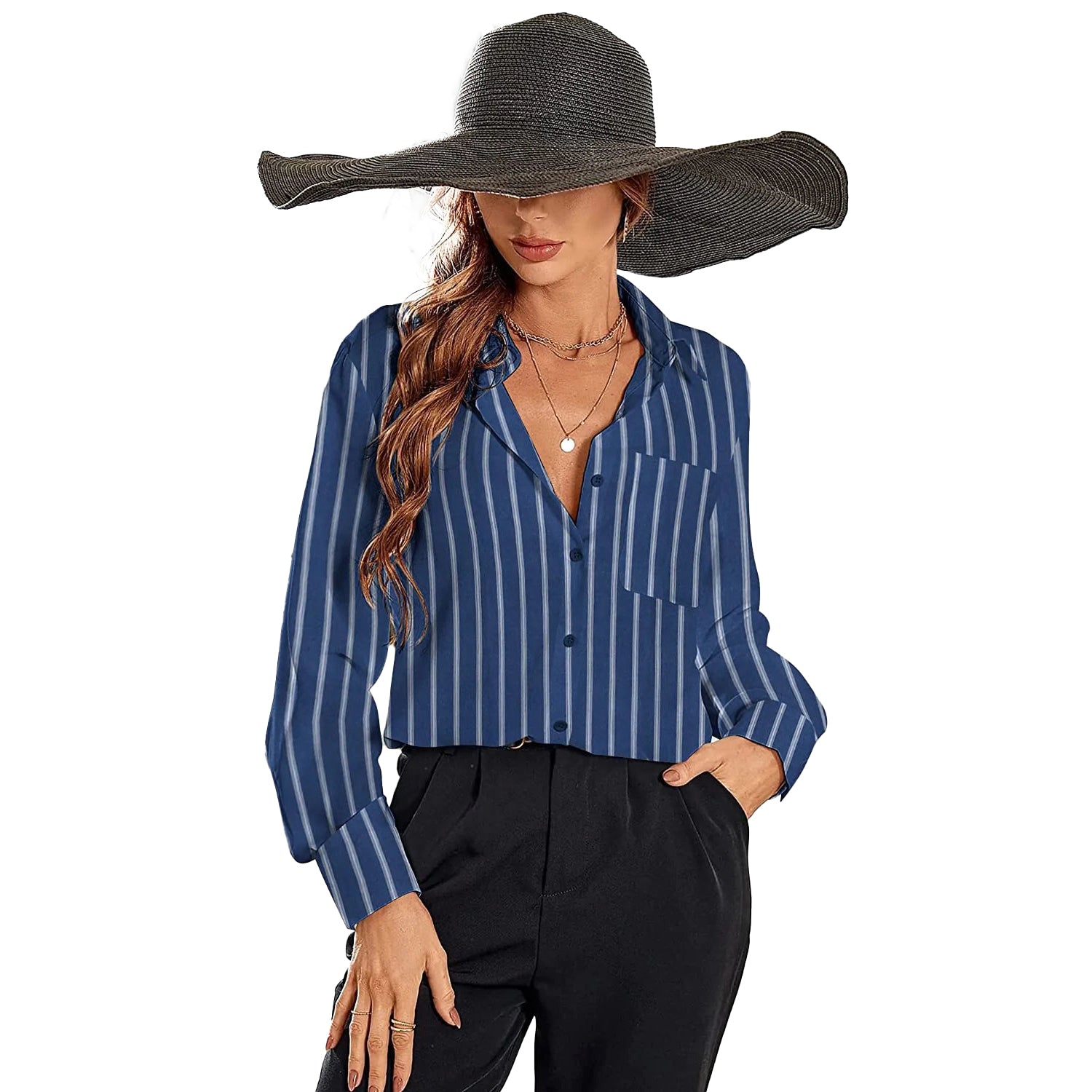 U.S.-Tops
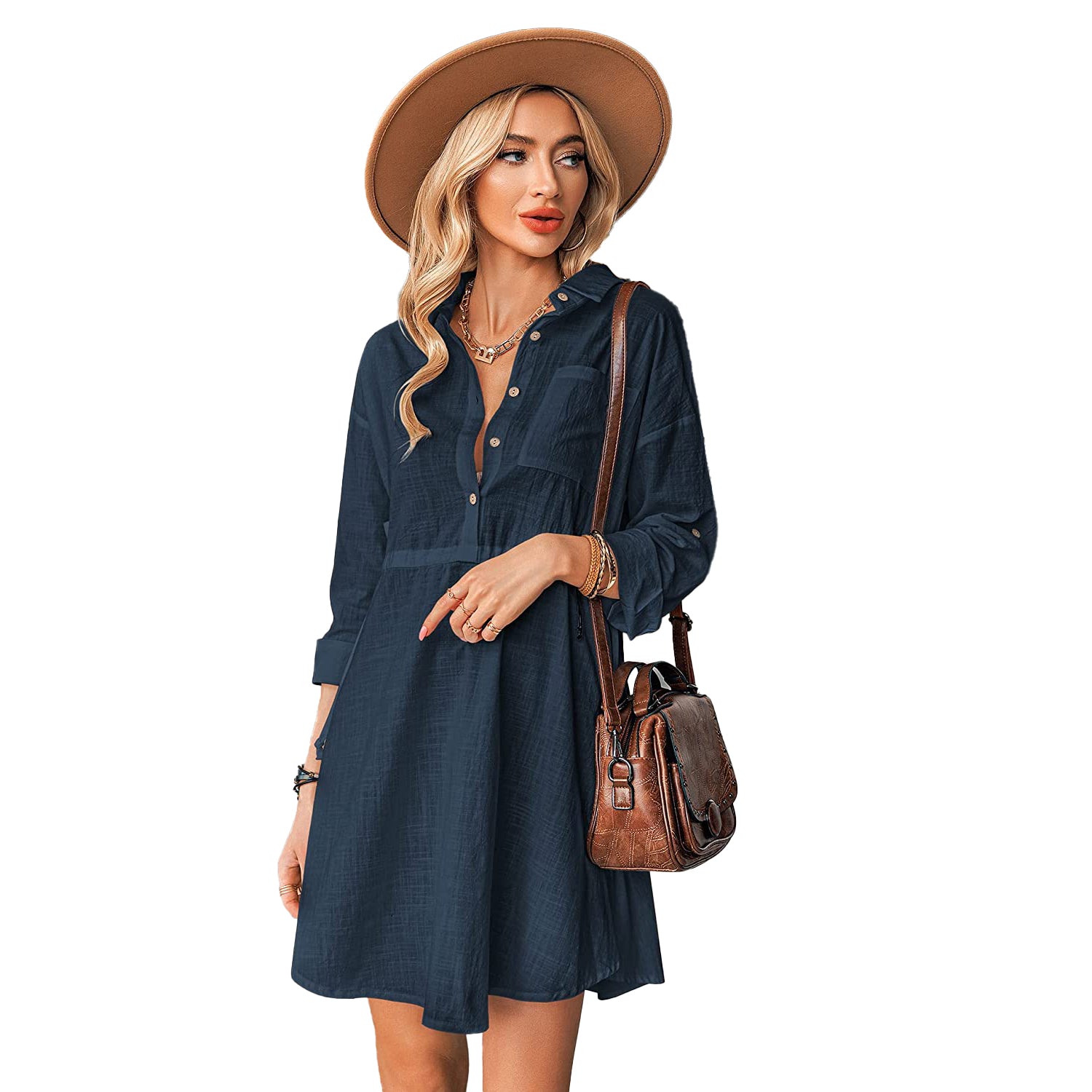 U.S.-Dresses
 U.S.-Cardigans
 U.S.-Outerwears
 U.S.-Bottoms
How to Dress for 90 Degree Weather Without Sweating: 10 Fabric Hacks That Actually Work
How to Dress for 90 Degree Weather Without Sweating: 10 Fabric Hacks That Actually Work
When the thermometer hits 90°F (32°C), getting dressed becomes a survival question, not a style choice.
You've been there: you pick a cute outfit, step outside, and within five minutes your shirt is clinging to your back. The problem usually isn't you — it's your fabric choice.
At 90°F, the air around your body is warmer than your core temperature. Your body's primary cooling mechanism — evaporative sweat — only works if air can reach your skin and moisture can escape your clothes. Pick the wrong fabric and you're wearing a personal sauna. Pick the right one and you'll genuinely feel cooler than everyone around you.
Here are 10 fabric-backed hacks and complete outfit formulas that keep you comfortable when the heat index says "stay inside" but life says "go anyway."
Why 90 Degrees Is Different From 80 Degrees

At 80°F, most fabrics feel fine. At 90°F+, the wrong fabric becomes a deal-breaker. The difference comes down to three things:
1. Airflow — Can air pass through the fabric to cool your skin?
2. Moisture management — Does the fabric absorb sweat and release it, or does it trap moisture against you?
3. Weight and drape — Is the fabric heavy enough to trap heat, or light enough to float?
The fabrics that win on all three will become your non-negotiable summer staples. And the one stat that matters most is moisture regain — the percentage of water vapor a fabric can absorb from the air:
| Fiber | Moisture Regain | Heat Performance at 90°F |
| Linen | 12% | ⭐⭐⭐ Excellent |
| Cotton | 8.5% | ⭐⭐⭐ Very Good |
| Rayon/Viscose | 11% | ⭐⭐ Good |
| Silk | 11% | ⭐⭐ Good (delicate) |
| Polyester | 0.4% | ⭐ Poor |
| Nylon | 4% | ⭐ Poor |
Linen's 12% moisture regain means it actively pulls sweat away from your body and into the fabric where it evaporates. Polyester at 0.4% is essentially waterproof — sweat sits on your skin with nowhere to go.
The Top 5 Best Fabrics for 90+ Degree Weather
1. Linen — The Undisputed Champion
Linen is the gold standard for hot weather because its hollow fiber structure creates natural air channels. The loose weave allows maximum airflow, and the fabric actually gets softer with every wash.
Best picks: A linen midi dress in a relaxed silhouette — the length creates airflow underneath as you walk, like a personal fan. Pair with flat sandals and you've got the most effective 90°F outfit possible.
Pro tip: Choose linen blends (55% linen, 45% cotton) if you want less wrinkling while keeping breathability. Pure linen wrinkles — but that rumpled look is part of its charm.
2. Cotton (Especially Lightweight Voile or Gauze)
Cotton absorbs moisture and lets it evaporate, creating a natural cooling effect. But not all cotton is equal — look for "cotton voile" or "cotton gauze." These are the lightest, most breathable versions.
Best picks: A cotton sundress or lightweight cotton button-down worn open over a tank. The voile version is nearly translucent, which means maximum airflow.
Pro tip: Avoid thick cotton jersey — it's heavy and slow to dry. If your cotton T-shirt weighs more than 5 oz per square yard, it's too thick for 90°F.
3. Rayon / Viscose
Rayon is semi-synthetic (made from wood pulp) and drapes beautifully. It's lightweight, breathable, and conducts heat away from the body faster than cotton. A rayon wrap dress or wide-leg rayon pants will feel noticeably cool to the touch.
Pro tip: Rayon gets weaker when wet — hand wash, don't wring. And avoid rayon in humid climates where it won't dry quickly.
4. Chambray
Chambray looks like denim but weighs a fraction. It's a plain-weave cotton that breathes like a T-shirt but looks structured enough for the office or a casual dinner. A chambray shirt-dress is one of the most versatile 90°F pieces you can own.
5. Bamboo Fabric
Bamboo is naturally moisture-wicking, anti-bacterial, and incredibly soft. It's becoming more common in women's fashion and is worth seeking out, especially for basics like camisoles and under-dress layers.
The 5 Worst Fabrics for Hot Weather (Avoid These)
| Fabric | Why It Fails | What to Do Instead |
| Polyester | Traps heat, doesn't breathe, holds sweat against skin | Switch to rayon or cotton |
| Denim (heavy) | Thick, heavy, slow to dry, restrictive | Use chambray or lightweight cotton |
| Leather / Faux leather | Zero airflow, acts like an oven | Skip entirely above 85°F |
| Velvet | Designed to trap warmth | Save for fall/winter |
| Thick knits | Insulating by nature | Choose fine-gauge cotton knits only |
10 Fabric Hacks for Extreme Heat
Hack 1: Size Up for the Chimney Effect
A slightly oversized top creates a chimney effect — hot air rises and escapes through the neckline, pulling cool air in from the bottom. A relaxed-fit linen shirt worn one size up will keep you measurably cooler than a fitted one.
Hack 2: Light Colors Reflect Heat — It's Physics
White reflects about 80% of sunlight. Black absorbs about 90% and converts it to heat. On a 95°F day, a black shirt can feel 5-10 degrees hotter than a white one. Save dark colors for after 6 PM.

Hack 3: The Light Test for Open Weaves
Hold any fabric up to a lightbulb. If you can see tiny pinholes of light coming through, air can pass through too. That's what you want. If the fabric blocks all light, it'll block air — and trap heat.
Hack 4: Avoid Fully Lined Dresses
A full lining doubles the fabric between you and the outside world. Look for unlined or partially lined styles. A cotton sundress without a lining will feel dramatically cooler than the same dress with one.
Hack 5: Upgrade Your Undergarments
Your outer layer might be breathable, but if your bra is synthetic polyester and traps sweat, you'll still feel hot at your core. Choose cotton or bamboo undergarments. Better yet — a dress with a built-in shelf bra removes a layer entirely.
Hack 6: Roll Your Sleeves to Expose Pulse Points
Rolling sleeves to the elbow exposes your forearms — one of the body's most efficient heat-release zones. Your wrists have blood vessels close to the skin, so exposing them cools your entire circulation.
Hack 7: Midi Over Mini (Counterintuitive but True)
A midi dress in a light, flowy fabric actually keeps you cooler than a mini. The longer hem creates airflow underneath as you walk. Tight mini dresses restrict airflow and often cling to your legs when you sweat.
Hack 8: Skip Heavy Underlayers
A bralette or no bra (if your outfit allows it) removes a layer of fabric from your core. Less fabric = less heat. If you need support, choose a wireless cotton bra over a padded push-up.
Hack 9: Wide-Brim Hat Strategy
A wide-brim hat keeps direct sun off your face, neck, and shoulders. Your body temperature drops noticeably when your head is shaded. A straw sun hat is both functional and photogenic.
Hack 10: The Pre-Cool Pulse Point Trick
Run cold water on your wrists for 30 seconds before heading out. Your wrists have blood vessels close to the skin, so cooling them cools your entire circulation. It sounds extreme, but it buys you 15-20 minutes of genuine comfort.
7 Complete Outfits for 90+ Degree Days
| Occasion | Top | Bottom / Dress | Fabric | Why It Works |
| Casual errands | Oversized linen tee | Cotton shorts | Linen + cotton | Maximum airflow, zero effort |
| Office | Chambray button-down | Wide-leg rayon pants | Chambray + rayon | Looks professional, breathes like a T-shirt |
| Date night | Wrap dress (rayon) | — | Rayon | One piece, draped fit, no extra layers |
| Outdoor event | Cotton voile sundress | — | Cotton voile | Lightweight, absorbs sweat, dries fast |
| Active outdoor | Bamboo tank | Linen joggers | Bamboo + linen | Moisture-wicking top + breathable bottom |
| Beach cover-up | Open linen shirt | Swimsuit | Linen | Throws on, airflows through, doubles as dinner layer |
| Evening out | Silk camisole | Chiffon midi skirt | Silk + chiffon | Both fabrics naturally temperature-regulate |
Common Mistakes People Make in Extreme Heat
Mistake 1: Wearing "Athletic" Polyester to Look Sporty
Athletic fabric is designed for performance, not looking good at brunch. It traps heat and smells after an hour. Save it for the gym.
Mistake 2: Choosing a Mini Dress for "More Airflow"
Mini dresses often have tighter fits that restrict airflow. A flowy midi in a light fabric creates more actual air circulation than a tight mini.
Mistake 3: Forgetting About Undergarments
A synthetic bra under a cotton shirt creates a sweat trap at your core. Your underwear choice matters as much as your outerwear in 90°F heat.
Mistake 4: Thinking "Thin Polyester" Is Fine
Even thin polyester doesn't breathe. It might feel light, but it still traps moisture against your skin. Check the label, not just the weight.
Mistake 5: Wearing Dark Colors During Peak Sun Hours
Black, navy, and dark jewel tones absorb heat like solar panels. If you must wear them, choose loose linen in a flowy silhouette — the airflow compensates for the heat absorption. But for peak hours (10 AM – 4 PM), stick to whites and pastels.
Quick FAQ
Is polyester ever OK in hot weather?
Only if it's specifically engineered as moisture-wicking athletic wear (think Nike Dri-FIT or Under Armour HeatGear). Regular polyester — even thin, lightweight polyester — traps heat and sweat. For everyday 90°F wear, avoid it entirely.
What color keeps you coolest in summer?
White reflects the most sunlight, followed by light pastels (blush pink, mint green, sky blue). Dark colors absorb heat — a black shirt can feel 5-10°F hotter than white in direct sun. If you love black, wear it as a loose linen piece in the evening.
What's the best underwear for hot weather?
Cotton or bamboo briefs and bras. Both are breathable and moisture-absorbing. Avoid synthetic blends, padded bras, and thongs (more skin contact = more friction and sweat). For maximum comfort, try a wireless cotton bralette or a dress with built-in support.
Can I wear jeans in 90-degree weather?
If you must, choose lightweight, stretchy denim (under 8 oz) with a relaxed or wide-leg fit. But chambray pants, linen trousers, or cotton culottes will be dramatically more comfortable. Traditional denim is one of the worst fabrics for extreme heat.
Does loose clothing really keep you cooler than fitted?
Yes — loose clothing creates airflow between the fabric and your skin. This "microclimate" lets your body's natural cooling (sweat evaporation) work efficiently. A fitted shirt creates a seal that traps heat. The rule: if fabric touches your skin for more than 50% of its surface, it's too tight for 90°F.
Stay cool this summer with Zeagoo's lightweight collection — linen dresses, cotton sundresses, rayon wide-leg pants, and breathable tops designed for heat you can actually feel.


