


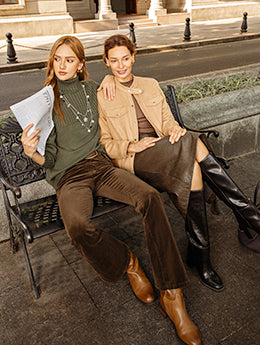


 Retro Style
 Smart Casual
 SHOP BY CATEGORY
 Matching Sets
 Tee & Blouses
 Dresses & Skirts
 Tanks & Camis
 Bottoms
 Cardigans
 Jakets & Coats
 Hoodies & Sweatshirts
 Casual
 Office
 Party
Party Leopard Print
 Lace Collection
 U.S. WAREHOUSE
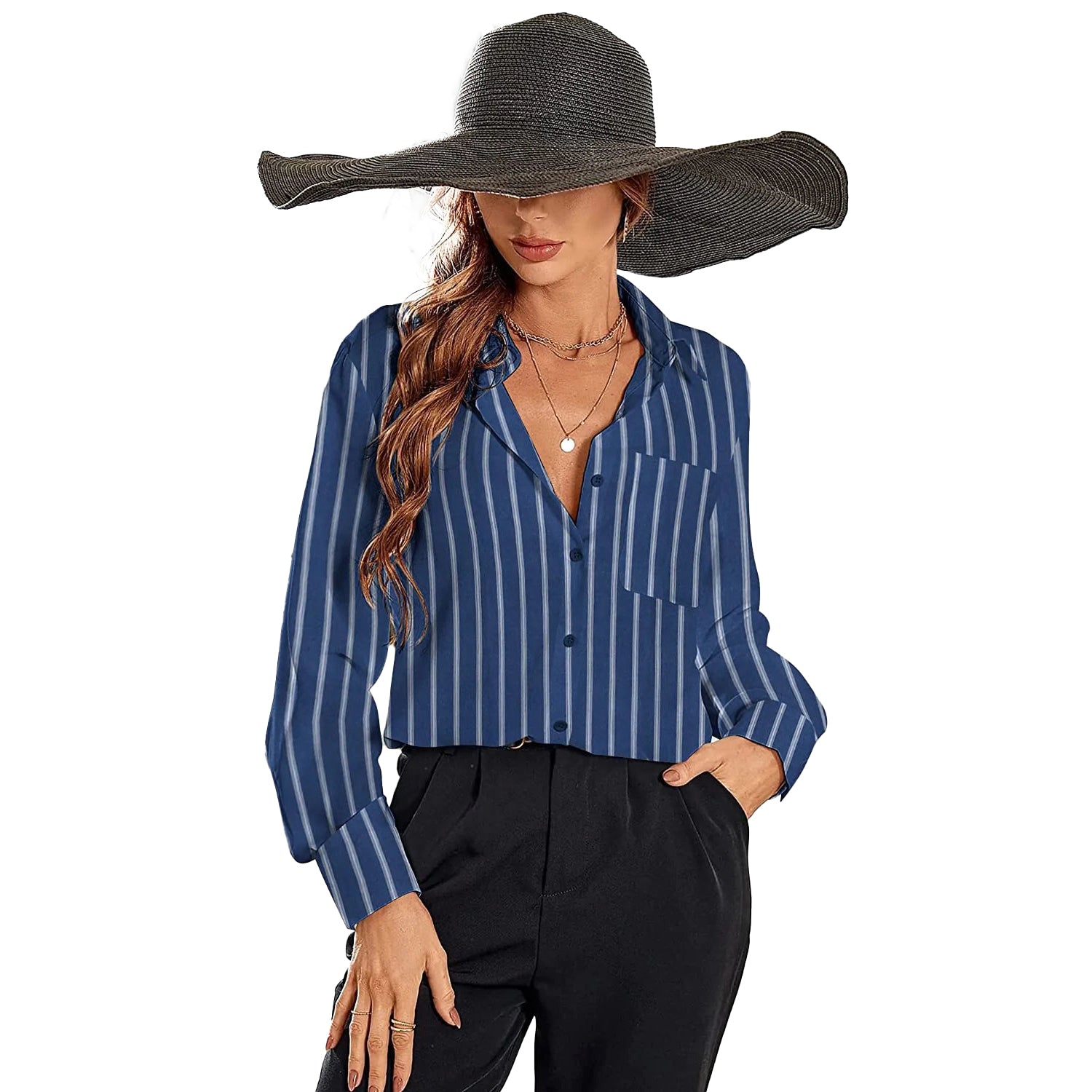 U.S.-Tops
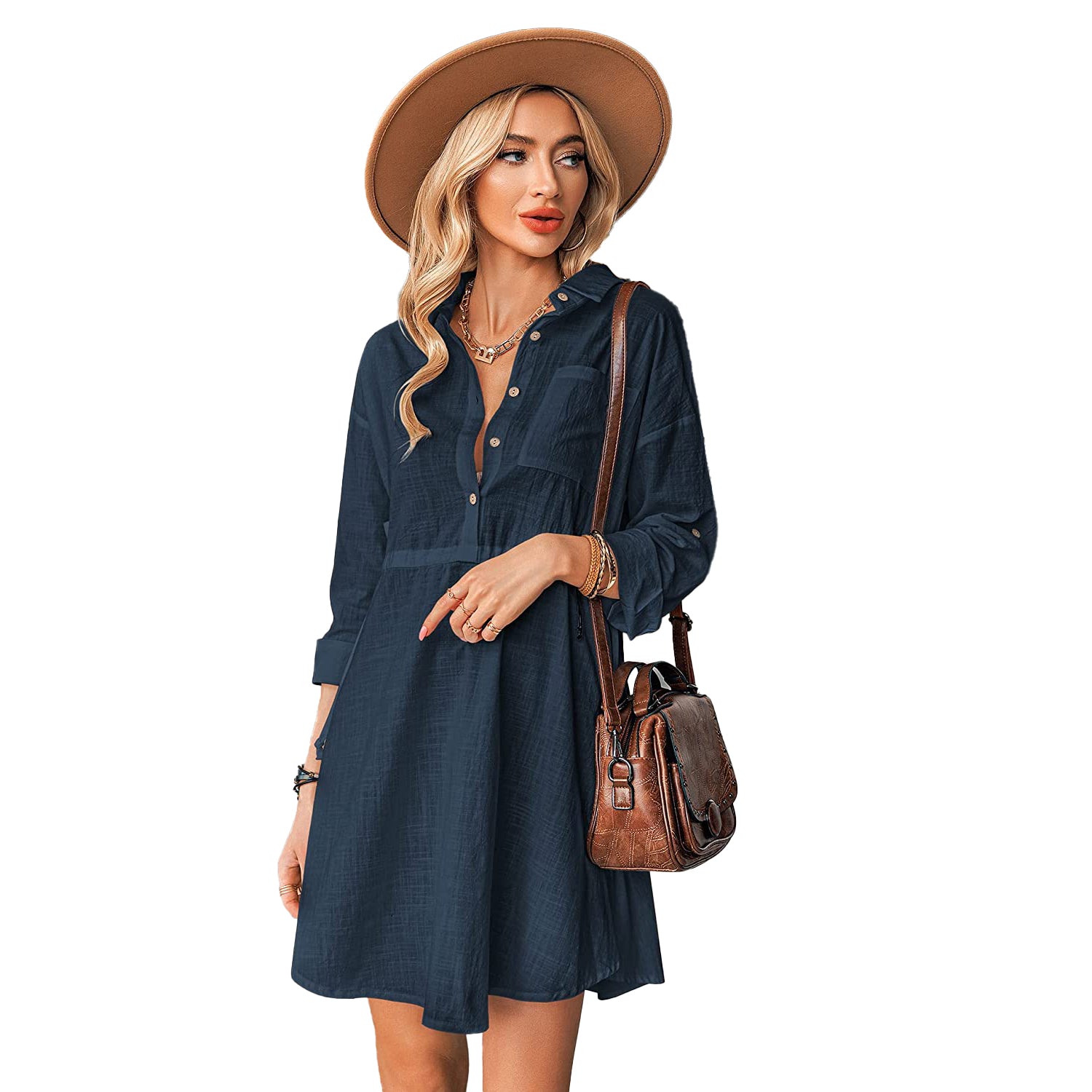 U.S.-Dresses
 U.S.-Outerwears
 U.S.-Bottoms
What to Wear When the Forecast Cannot Make Up Its Mind
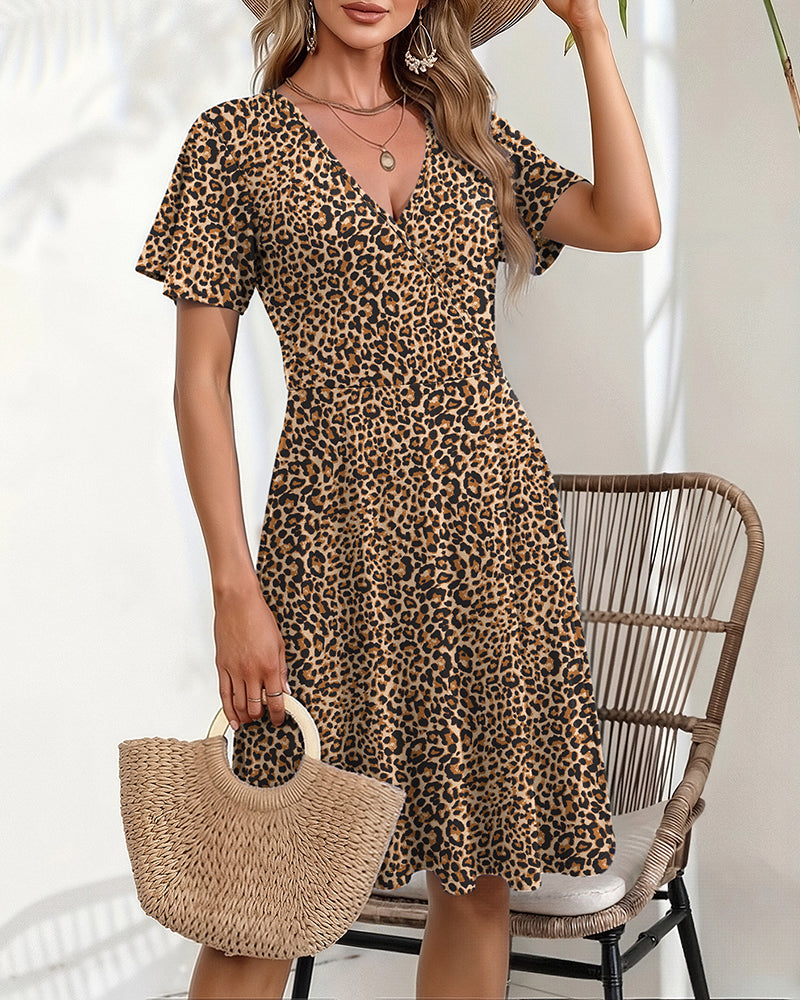
Changing weather does not require a complicated wardrobe. It requires an outfit with range: a base that feels comfortable in warmth, a layer that can be removed without disrupting the look, and shoes that still make sense if the day includes walking. This guide is a simple way to build that range from pieces you already own.
The aim is not to predict every temperature. It is to reduce the chance that one small shift in weather makes the whole outfit feel wrong.
Step One: Read the Day in Blocks
Instead of looking only at the highest temperature, divide the day into its real parts. What will you wear on the commute? Where will you spend the longest stretch of time? Will you be outside after sunset? Is there an indoor space with strong air conditioning? These details usually matter more than the forecast headline.
Once the blocks are clear, choose an outfit base. A dress can simplify a day with multiple plans; start with Dresses if a one-piece option feels useful. A top-and-bottom combination can work equally well when you want more flexibility; browse Women’s Tops for the component that gives existing pieces a different role.
Step Two: Choose a Base That Works Alone
The base is what remains after the layer comes off. That means it should feel complete in its own right. A midi dress can be a flexible choice for an afternoon that begins warm, while a top with relaxed bottoms can make sense when you expect to adjust throughout the day.
Try the base first. If you would not be comfortable wearing it alone, the layer is doing too much work. A reliable outfit needs a first version and a second version, not one fragile combination.
Step Three: Add One Removable Layer
The most useful layer is light enough to carry and versatile enough to wear more than one way. It might be an open shirt, a blouse, or an overshirt with a simple shape. Wear it open for a softer line, button it for more definition, or remove it when the temperature changes.
Avoid adding layers only because the calendar says the season is changing. Add one because it solves a specific situation: a cold office, evening shade, sun coverage, or a change in plans. This makes the decision clearer and reduces purchases that only work for a week or two.
Step Four: Let the Shoe Match the Longest Part of the Day
Shoes often decide whether a changing-weather outfit remains useful. Choose for the longest activity, not the shortest. If the day includes standing or walking, start there. If dinner is the main plan, choose a shoe that still works from the beginning of the day or bring a simple switch only when it is truly necessary.
The same principle applies to length. Midi Dresses can offer a balanced option for several settings; Maxi Dresses may suit a longer, more covered silhouette. The right choice depends on the route, weather, and your personal preference rather than a universal seasonal rule.
Step Five: Test the Outfit Before the Door
Put the full outfit on before you need to leave. Sit down, reach up, take a few steps, add the layer, remove it, and carry the bag you need for the day. These small tests show whether the outfit has range or only looks right while standing still.
When a look passes the test, make a note of the formula. A dress plus open shirt may become your answer to a mixed-weather workday. A defined top plus relaxed bottoms may become the weekend version. Repeating a useful formula is not boring; it is how a wardrobe begins to work for you.
PR Amplification: Related Editorial Coverage
For transition-season reading, see Real Simple's summer-to-fall layers coverage, E! News' shacket transition edit, and Real Simple's lightweight-jackets roundup.
These links support the seasonal topic only. They do not validate a fabric, warmth, price, fit, or availability statement for any Zeagoo item. Recheck live pages before publication.
-
Veröffentlicht in
changing weather outfits, layering, midi dresses, style guide, transitional weather, women fashion


