





 SHOP BY CATEGORY
 Matching Sets
 Tee & Blouses
 Dresses & Skirts
 Tanks & Camis
 Bottoms
 Hoodies & Sweatshirts
 Casual
 Office
 Party
Party Vintage
 Leopard Print
 Lace Collection
 U.S. WAREHOUSE
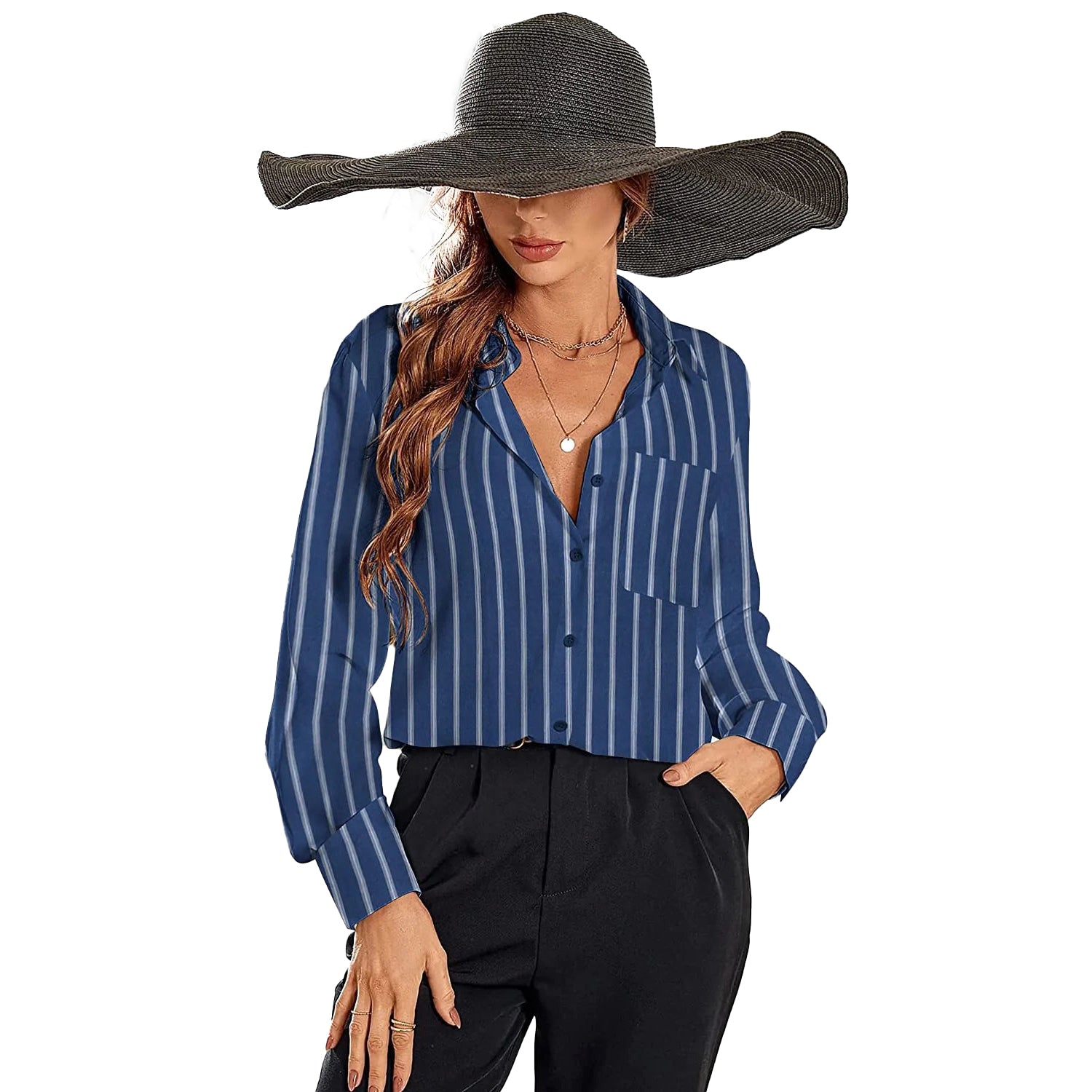 U.S.-Tops
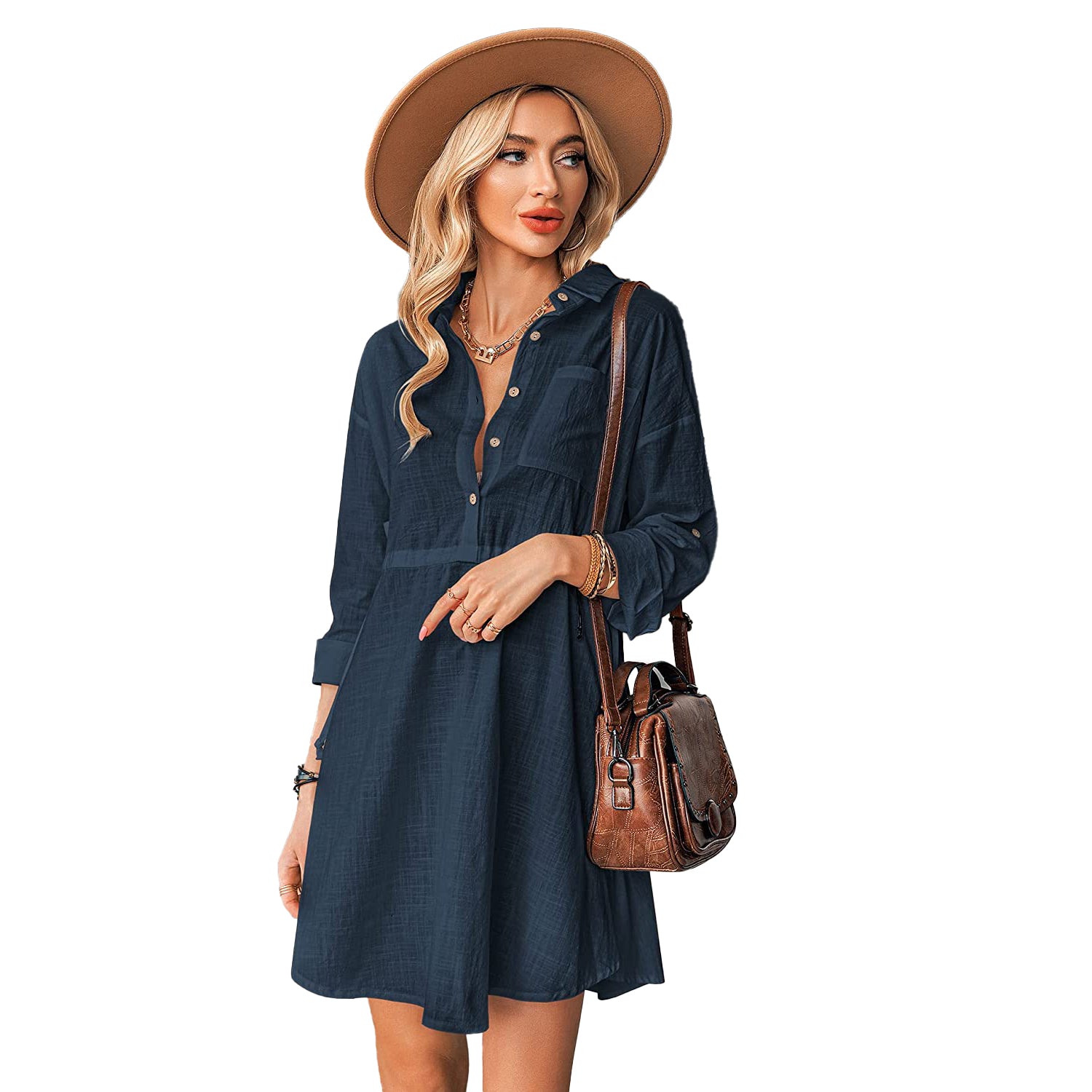 U.S.-Dresses
 U.S.-Cardigans
 U.S.-Outerwears
 U.S.-Bottoms
How to Build an Early-Fall Capsule Wardrobe Without Overbuying
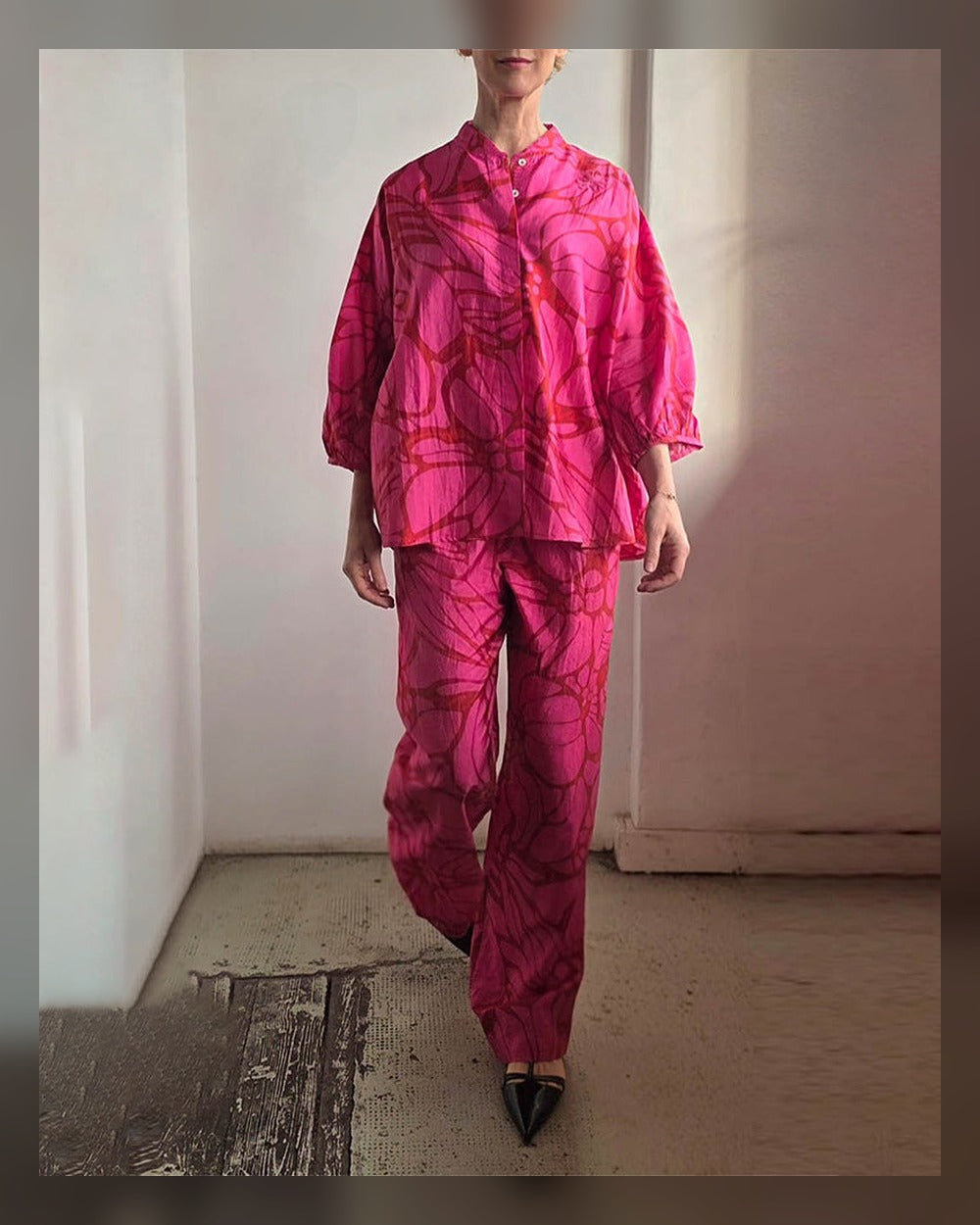
An early-fall wardrobe does not need to begin with a full reset. In many places, the weather still feels like summer at midday, while mornings, evenings, and air-conditioned rooms ask for a little more coverage. The useful response is a transition edit: keep the pieces you already wear, identify what stops them from working in a new temperature range, and add only the layer or alternate that closes that gap.
This guide is built around one principle: do not shop for a season in the abstract. Shop for the next several weeks of your actual life. Look at your commute, your weekend plans, the temperatures where you live, and the dress code that appears most often. Then build a small set of combinations you would genuinely repeat.
The aim is not to make a minimalist wardrobe for the sake of it. It is to reduce the number of mornings when the closet feels full but nothing feels right. A good early-fall edit should make the pieces you already like more useful, then add only what creates a new combination.
Step One: Audit Before You Add
Pull out your most-worn summer pieces, not everything you own. Include a few dresses, the tops that reliably work with your bottoms, and one or two light layers. Ask three questions of each piece: Can I wear this in cooler morning air? Can I add a layer without the outfit feeling bulky? Would I still choose it when the calendar says fall?
The answers reveal the gaps. You may already have enough dresses but need a versatile shirt to layer over them. You may have tops but need an easy dress for days when you want a complete look. Start with Women’s Tops or Dresses only after you know which role is missing. This prevents a new purchase from becoming another isolated option.
Put the strongest pieces back first. The dress you wore repeatedly in summer, the top that always worked, and the layer you kept reaching for should anchor the edit. The pieces that never left the closet can wait until you understand why they stalled.
Step Two: Use a Three-Part Outfit Formula
For transitional weather, an outfit becomes more adaptable when it has three parts: a base, a temperature-control piece, and one detail that gives the look shape. The base could be a midi dress, a tee, or a blouse. The temperature-control piece might be an open button-down or light overshirt. The finishing detail can be a shoe, belt, bag, or jewelry choice.
This structure helps you use summer pieces longer without pretending that every day has the same weather. A Midi Dress can carry a day that starts warm and ends cool when paired with a layer you can remove. A top-and-bottom combination can feel more seasonal simply by changing the shoe and adding a third piece. The formula is flexible because the parts can change while the decision process stays the same.
Step Three: Choose a Color Story You Can Repeat
You do not need to abandon bright summer colors at the first hint of fall. The goal is coordination, not a prescribed palette. Pick two or three neutrals you already wear, then add one color or print that works with them. A simple color story lets an item appear in several outfits, which is what turns a small edit into a useful capsule.
Before you buy, make three outfits on paper or in your closet using the possible new piece. If it only works with one item, leave it. If it connects a dress, a top, and two bottoms you already own, it is likely doing useful work. This is how a capsule stays personal rather than becoming a copy of someone else’s shopping list.
Step Four: Keep Dresses in the Rotation
Dresses do not have to be reserved for peak summer. A practical midi can work across changing temperatures with the right layer and shoes. A long dress can also feel appropriate as the day cools when the overall styling has balance. The key is to choose based on how you plan to wear it, not on a promise about a particular fabric or level of warmth.
Browse Midi Dresses for a versatile length or Maxi Dresses for longer silhouettes. Then check the live product page for the details that affect a real decision: measurements, material, care, and current availability. A guide can suggest a styling route; only current product information can answer the technical questions.
Step Five: Set a Shopping Limit Before You Browse
Overbuying usually starts with vague goals. “I need fall clothes” creates unlimited possibilities. “I need one light layer that works with two dresses and one top” creates a clear test. Set a number of pieces, a budget you are comfortable with, and a list of existing items each new piece must work with. Keep the list open while you browse.
This is also the best time to pause between adding items to cart and checking out. Try the outfits you planned with what you already own. The wardrobe may already be more capable than it feels at the end of a hot season. The additions that remain after that test are more likely to earn their place.
If you do add something, record the reason in plain language: “works over two dresses,” “makes jeans dinner-ready,” or “covers cold office mornings.” If the reason sounds vague, the piece may not be solving a real problem yet.
The Result: More Outfits, Fewer Decisions
A successful early-fall capsule is not necessarily small by a particular number. It is cohesive enough that getting dressed is easy. You should be able to reach for a base, add a layer if needed, and know the outfit will work for the plan ahead. Keep the pieces that serve that purpose, and let the rest wait.
Editorial Context
No verified early-fall media placement is being cited in this guide. The PR value here is topic continuity: moving summer wardrobe interest into a practical transition-season shopping path.
-
Posted in
capsule wardrobe, early fall outfits, style guide, transitional style


